
 By Admin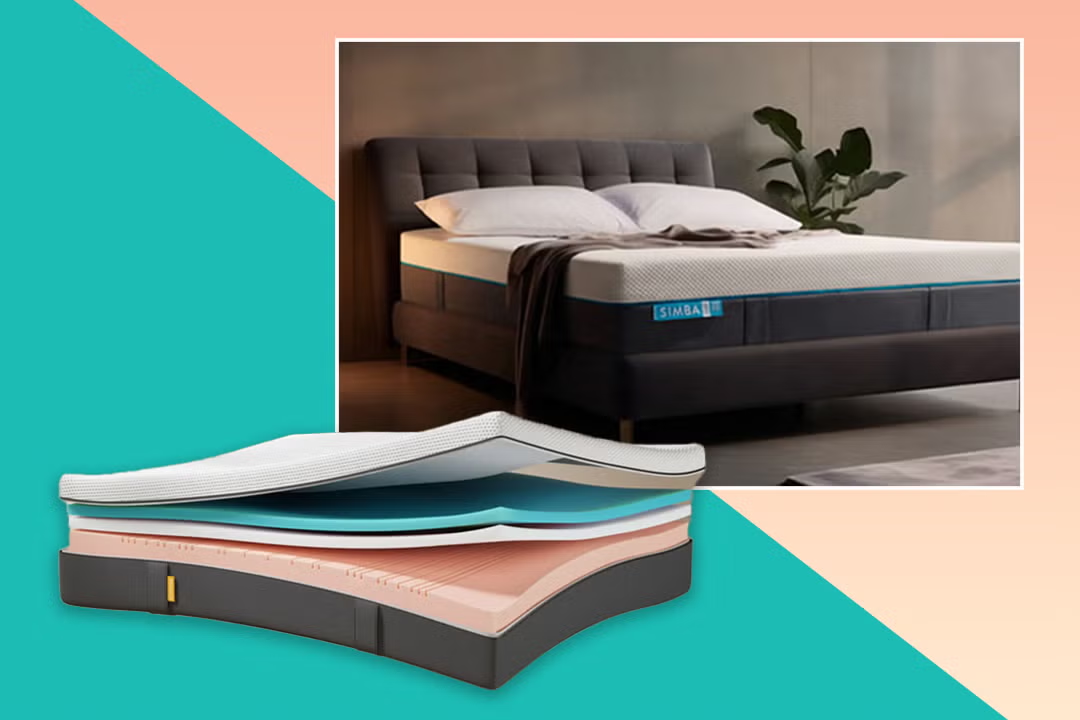
Finding the right mattress can feel overwhelming, especially with so many options available today. A good mattress is crucial for achieving restful sleep, which is essential for overall health and well-being. Whether you prefer a soft, plush feel or a firmer support, the perfect mattress can significantly enhance your sleep quality. However, with various sizes, types, and features to consider, it’s not always easy to make the right choice.
This guide will walk you through seven simple steps to help you navigate the mattress-buying process and ensure you choose the perfect fit for your sleep needs. From understanding your sleep preferences to exploring different mattress types, we’ll cover everything you need to know to make an informed decision.
If you feel uncertain about where to start, you might want to check out our guide to help you find your perfect mattress. Read on to discover how to achieve the sleep of your dreams.
Step 1: Assess Your Sleep Position
The first step in finding your perfect mattress is to assess your sleep position. Your preferred sleeping posture significantly influences the type of mattress that will provide you with adequate support and comfort. For instance, back sleepers typically require a medium-firm mattress that offers support while conforming to the natural curve of the spine.
Side sleepers, on the other hand, often benefit from a softer mattress that cushions the shoulders and hips to alleviate pressure points. Stomach sleepers usually need a firmer mattress to prevent the spine from sinking too deeply and leading to discomfort. By understanding your sleep position, you can narrow down your options and focus on mattresses designed to meet your specific needs.
Step 2: Determine Your Firmness Preference
Firmness is a crucial factor in mattress selection, and it varies from person to person. While some may prefer a plush, soft feel, others might lean towards a firmer surface for better support. It’s essential to find a balance that meets your comfort needs while providing adequate support for your body. A good way to determine your firmness preference is to test different mattresses in-store or read reviews online.
Many brands offer firmness ratings, which can help you gauge how a mattress will feel. If you’re unsure about your ideal firmness level, take advantage of tools like the Mattress Finder™ to find your perfect mattress. This step will help you refine your mattress search and ensure you choose one that feels just right.
Step 3: Explore Different Mattress Types
Once you’ve assessed your sleep position and firmness preference, it’s time to explore different mattress types. The market offers a variety of options, including memory foam, innerspring, latex, and hybrid mattresses. Memory foam mattresses are known for their excellent contouring properties, making them a popular choice for those seeking pressure relief. Innerspring mattresses provide strong support with a bouncy feel, making them ideal for individuals who prefer a more traditional mattress experience.
Latex mattresses are known for their durability and natural materials, while hybrid mattresses combine features of both memory foam and innerspring styles. Each type has its pros and cons, so understanding their unique characteristics will help you make a more informed decision.
Step 4: Consider Your Budget
Budget is an essential aspect of mattress shopping. Prices can vary significantly based on the type, brand, and features of the mattress. Setting a budget will help you narrow down your options and prevent you from overspending. Keep in mind that investing in a quality mattress can lead to better sleep and improved health, so it’s worth considering spending a bit more on a mattress that meets your needs.
Look for sales, discounts, and financing options that can make your purchase more manageable. Many retailers offer financing plans, allowing you to bring home your perfect mattress without breaking the bank.
Step 5: Test the Mattress Before Buying
If possible, testing the mattress before making a purchase is one of the best ways to ensure it meets your expectations. Many mattress stores offer a trial period where you can lay on the mattress for an extended period to see how it feels. Pay attention to how your body responds to the mattress. Does it provide the support you need?
Is it comfortable for your preferred sleeping position? If you can’t visit a store, check if the retailer offers a sleep trial, which lets you try the mattress at home for a specific period. This way, you can truly experience the mattress in your sleep environment, ensuring it’s the right fit.
Step 6: Read Reviews and Seek Recommendations
Reading reviews and seeking recommendations can significantly influence your mattress choice. Customer feedback often highlights the pros and cons of specific mattresses, giving you valuable insights into their performance, durability, and comfort levels. Look for reviews that discuss factors relevant to your own sleep needs, such as firmness, support, and temperature regulation.
Additionally, ask friends and family for recommendations based on their experiences. Personal stories can provide a different perspective and help you avoid potential pitfalls. Online forums and mattress review websites can also be useful resources to gather more information.
Step 7: Take Advantage of Return Policies and Trials
Finally, make sure to take advantage of return policies and trial periods offered by mattress retailers. Many companies provide generous return policies or sleep trials, allowing you to return the mattress if it doesn’t meet your expectations. This feature is crucial because it ensures that you won’t be stuck with a mattress that doesn’t work for you.
Before making a purchase, check the company’s policy regarding returns or exchanges to avoid any surprises later on. This step can give you peace of mind and confidence in your decision, knowing that you have options if the mattress doesn’t meet your needs.
FAQs
How long should I keep my mattress?
Most mattresses have a lifespan of 7-10 years, but it depends on the material and usage. Regularly assess your mattress for sagging or discomfort.
What is the best mattress type for side sleepers?
Side sleepers often benefit from memory foam or hybrid mattresses, as they provide the necessary cushioning for shoulders and hips.
Can I return a mattress if I don’t like it?
Many retailers offer return policies or sleep trials, allowing you to return the mattress if it doesn’t meet your needs. Check the specific terms before purchasing.
How do I know if a mattress is too firm or too soft?
Test the mattress by lying down in your usual sleep position. You should feel comfortable without pressure points, and your spine should remain aligned.
Is it important to use a mattress protector?
Yes, a mattress protector can extend the life of your mattress by preventing stains, spills, and allergens from affecting its quality.
Conclusion
Finding your perfect mattress doesn’t have to be a daunting task. By following these seven simple steps assessing your sleep position, determining firmness preferences, exploring different types, considering your budget, testing mattresses, reading reviews, and utilizing return policies you can confidently navigate the mattress-buying process.
Remember, investing in a quality mattress is crucial for achieving restful sleep and overall well-being. Take your time, do your research, and don’t hesitate to seek help from tools like the Mattress Finder™ to find your perfect mattress. With the right approach, you’ll soon be on your way to enjoying the restful nights you deserve.