
 By Admin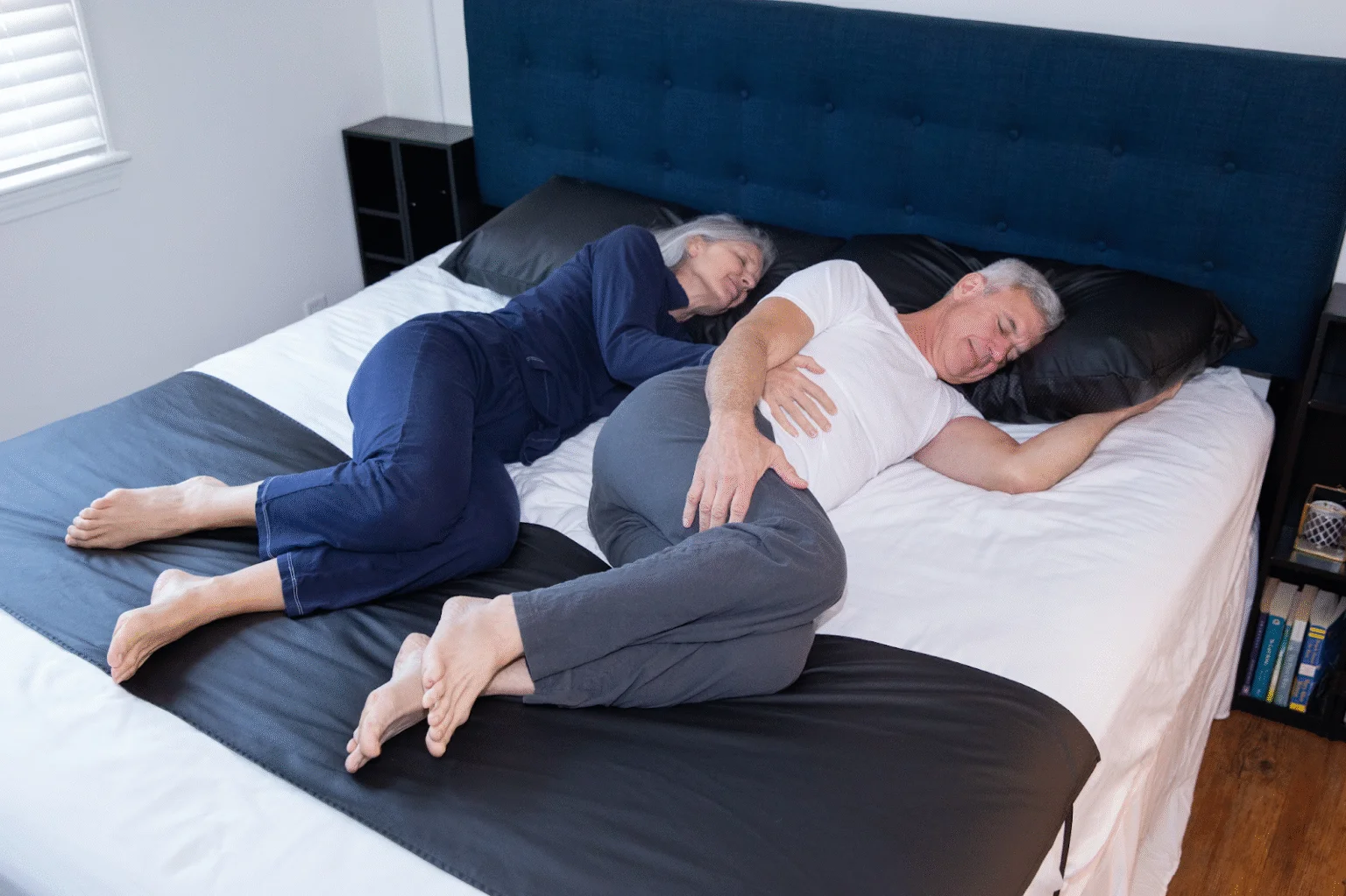
We’ve all been there. It’s 2:00 AM, the room is pitch black, and you are wide awake. You’ve tried the chamomile tea, installed the blackout curtains, and maybe even listened to a meditation app. Yet, your mind is racing, and your body feels tense. You calculate how many hours of sleep you’ll get if you fall asleep right now, which only makes the anxiety worse.
The frustrating reality is that many conventional sleep hygiene tips fail because they address the symptoms of sleeplessness—like light exposure or noise—rather than the physiological state of the body. We are living in a state of chronic inflammation and elevated cortisol, often caused by our disconnection from the natural world.
If you are tired of counting sheep with no results, it might be time to look down at the ground beneath your feet.
What is the science behind grounding?
Grounding, also known as earthing, sounds almost too simple to be effective. It refers to the practice of making direct physical contact with the Earth’s surface. But this isn’t just about feeling grass between your toes; there is genuine physics at play here.
The Earth carries a subtle, natural electrical charge. It is an abundant source of free electrons. Our bodies, on the other hand, function through electrical impulses. When we are stressed, inflamed, or surrounded by modern electronics, we can build up an excess of positive charge (often in the form of free radicals).
When you make skin-to-skin contact with the Earth, you absorb those free electrons. This exchange helps neutralize the free radicals in your body. Think of it like a battery that needs to be recharged or a circuit that needs to be grounded to prevent a surge. This process can help shift your nervous system from a “fight or flight” sympathetic state to a “rest and digest” parasympathetic state, which is essential for deep sleep.
Why do grounding mats work?
While sleeping directly on the damp grass in your backyard might sound idyllic to some, it isn’t exactly practical for most people. This is where a Grounding Mat becomes a game-changer for sleep hygiene.
A Grounding Mat is designed to replicate the electric current of the Earth indoors. It typically connects to the ground port of a standard electrical outlet (which connects to the grounding rod of your house) or directly to a rod placed in the soil outside.
By sleeping on one of these mats, you can maintain that essential connection to the Earth’s energy all night long. The potential benefits extend beyond just falling asleep faster. Many users report that this continuous contact helps reduce chronic pain and inflammation, lowers cortisol levels (the stress hormone), and helps resynchronize the body’s circadian rhythm.
How do you use a grounding mat properly?
Using a Grounding Mat is incredibly straightforward, but there are a few nuances to ensure you are getting the maximum benefit.
1. Set up the connection
First, test your outlet to ensure it is properly grounded (most mats come with a tester). Plug the cord into the ground port of your wall outlet. Snap the other end onto your mat.
2. Prioritize skin contact
The most critical factor is skin contact. While some conductivity can happen through very thin sheets made of natural fibers like cotton, direct contact is always superior. Place the mat under your fitted sheet if you have a conductive silver-threaded sheet, or simply lay it on top of your bottom sheet across the foot of the bed so your legs and feet touch it while you sleep.
3. Stay consistent
Grounding is cumulative. You might not feel a dramatic shift after one night. The goal is to lower your baseline stress and inflammation over time, so try to use it every night for at least a few weeks.
Are there other ways to ground yourself?
If you aren’t ready to invest in equipment yet, you can start grounding for free today. The most effective method is simply walking barefoot outside. Wet sand at the beach and moist grass are excellent conductors. Even unsealed concrete (like a sidewalk) can conduct the Earth’s energy, though asphalt and wood generally do not.
Swimming in natural bodies of water, like oceans or lakes, is another powerful way to ground yourself, as the water is rich in minerals and conductive salts.
Reconnect to rest
It is easy to get caught up in complex supplements and expensive gadgets to fix our sleep, but sometimes the answer is much more primal. We are bioelectrical beings who have spent most of human history connected to the Earth. Re-establishing that connection might just be the missing link in your sleep routine. Whether you step outside barefoot for ten minutes a day or add a mat to your bed, grounding offers a natural, gentle path back to a restful night.