
 By Admin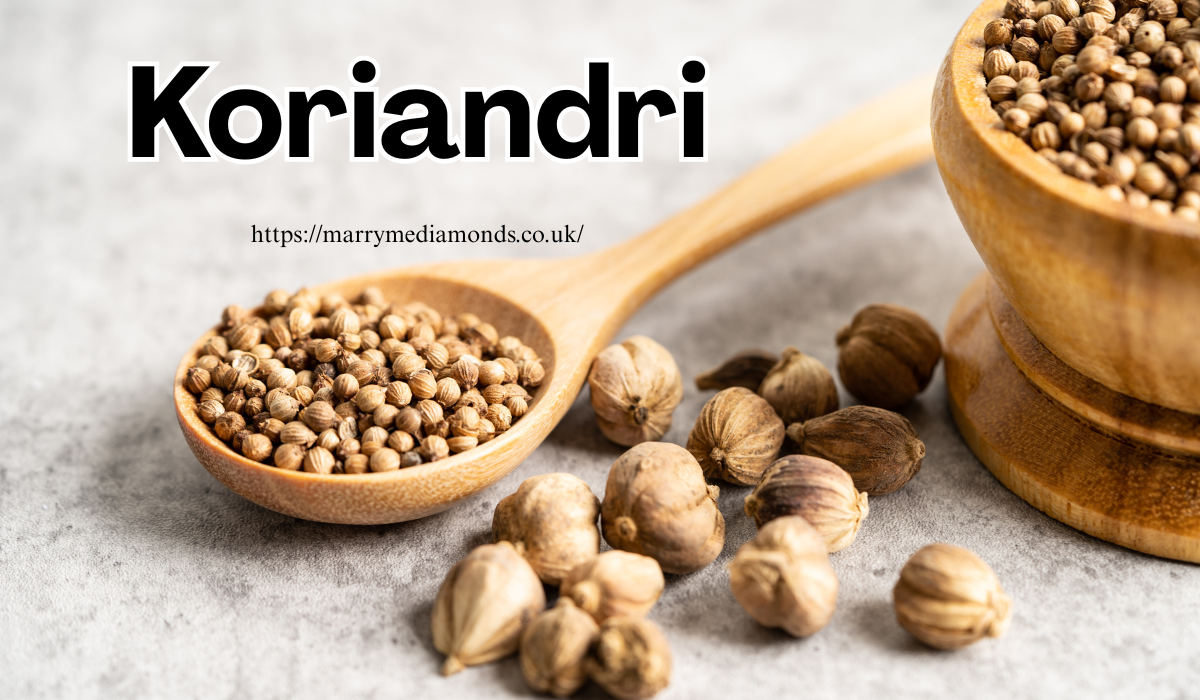
Across the diverse tapestry of global herbs and spices, few have remained as underappreciated—and as culturally rich—as koriandri. Often confused with coriander due to name similarities, koriandri carries its own distinct identity, history, and health benefits that span centuries. In a time when people are rediscovering traditional remedies and forgotten ingredients, koriandri is steadily gaining attention as a botanical treasure hidden in plain sight.
Let’s journey through the vibrant story of koriandri—from its origins, medicinal uses, and culinary applications, to why it’s being embraced in wellness circles and fusion kitchens around the world.
What Exactly is Koriandri?
Koriandri refers to a rare variety of aromatic herb native to certain highland and semi-arid regions of Central and South Asia. Though its name shares linguistic roots with “coriander,” koriandri is biologically and chemically distinct. This elusive plant thrives in wild, rocky soils, absorbing minerals from the earth that enhance its nutrient profile.
The plant bears small, soft green leaves and round seeds with a signature earthy aroma—often described as a cross between toasted sesame, lime zest, and ancient wood. Locals in the regions where it grows use every part of the plant: leaves in stews, seeds in teas, and even the oil for massage and spiritual rituals.
A Botanical Legacy Rooted in Time
Long before modern science took interest, traditional healers across regions like Uzbekistan, Kyrgyzstan, and parts of northern India swore by koriandri for its balancing properties. It was often steeped in hot water for digestive tonics, ground into pastes for skin treatments, and even burned as incense in purification ceremonies.
Historical references dating back to the 12th century show its use in both medicine and cuisine. Monks in Himalayan monasteries were known to chew dried koriandri seeds before meditation to calm the mind and enhance mental clarity.
The spice made occasional appearances along old Silk Road trade routes, but its rarity and perishable nature kept it from spreading globally like cinnamon or cloves.
The Flavor That Speaks in Layers
One of the reasons koriandri is experiencing a revival is its remarkably complex flavor. Descriptions often fall short, but the experience can be likened to tasting nature in multiple dimensions:
- First notes: light citrus, slightly bitter
- Mid-notes: smoky-earthy, like roasted grains or old parchment
- Finish: cooling, with a trace of pepper and pine
Chefs who experiment with koriandri praise its ability to transform ordinary dishes. Just a pinch of dried seed powder can give depth to lentil soups, sauces, and even baked bread. In cocktails, an infusion of koriandri seed in gin or vodka creates an aroma profile no other spice can replicate.
The Wellness Benefits of Koriandri
While ancient practitioners may not have had scientific terminology, their intuition about koriandri’s healing potential has stood the test of time. Modern herbalists and researchers have begun to explore its full benefits. Here are some of the most promising findings:
1. Natural Digestive Regulator
Traditional medicine used koriandri as a gut-calming agent, and today, studies suggest that its seed extract contains compounds that may help regulate gastric acid and ease bloating. Herbal teas made with crushed koriandri are still widely consumed in remote villages for this exact reason.
2. Anti-Inflammatory Properties
Flavonoids found in the leaves and seeds of koriandri have been linked to reduced inflammation, especially in joint-related conditions. People with chronic joint pain often apply koriandri-infused oil as a warming massage balm.
3. Mental Clarity and Stress Relief
Tibetan monks weren’t wrong: koriandri may influence brain chemistry. Anecdotal evidence and emerging data suggest that regular consumption or inhalation of its essential oil can lead to calmer moods and sharper focus.
4. Skin Health and Detoxification
Used as a face mask ingredient in old village recipes, koriandri seed paste acts as a natural detoxifying agent, reducing dullness and breakouts. Modern organic brands are beginning to experiment with it in cleansing toners and exfoliants.
Culinary Applications: Ancient Roots, Modern Twists
While once confined to rural kitchens, koriandri is making its way into avant-garde cuisine, thanks to chefs who champion forgotten ingredients. Below are just a few standout ways it’s being used today:
- Koriandri butter – blended with unsalted butter and sea salt for finishing meats or roasted vegetables
- Wild tea blends – paired with dried rose petals and cardamom for a deeply aromatic experience
- Seed-crusted lamb – incorporating ground koriandri seeds with black pepper for a robust spice crust
- Plant-based broths – where it adds depth without overpowering umami
Interestingly, bartenders are now infusing spirits with koriandri, particularly gin and aquavit, to create exotic cocktails that tease both nose and tongue.
Spiritual and Ritual Use
In regions where koriandri grows naturally, it has long been used in ritual purification and seasonal rites. Dried leaves are bundled and lit like sage to cleanse spaces, while the seeds are tossed into sacred fires to invoke calm and clarity.
Some believe that the plant carries protective energies, and farmers often hang it in their homes during the planting season to attract harmony and luck. While such uses remain mostly symbolic, they underscore how deeply integrated koriandri is in both the physical and spiritual life of certain cultures.
Growing and Harvesting Koriandri
Because koriandri is so specific to its native environment, it’s not widely cultivated commercially. However, efforts are being made to grow it organically in climate-controlled greenhouses, especially in Canada and Northern Europe, where demand is growing among holistic practitioners.
Its growth cycle is short but requires very particular soil chemistry—low nitrogen, high mineral content, and minimal synthetic interference. The seeds must be harvested at just the right time before drying out, which adds to its exclusivity.
Myths and Folk Tales Surrounding Koriandri
In ancient lore, koriandri was often called “the Whispering Leaf.” According to Central Asian myth, whoever consumed a tea brewed from the first spring leaves of the plant could hear the thoughts of nature for a full day. While obviously allegorical, this tale speaks to the deep reverence traditional societies held for koriandri.
Other stories link the herb to dream clarity, where consuming a warm cup before sleep led to vivid, prophetic dreams. To this day, certain villages hold night ceremonies involving koriandri smoke and chanting under the moonlight.
The Modern Revival
With the global shift toward ancient grains, adaptogenic herbs, and traditional healing, it’s no surprise that koriandri is experiencing a modern revival. Several herbal supplement brands and boutique spice merchants are now offering limited batches of ethically sourced koriandri, often in seed, powder, or oil form.
High-end restaurants in cities like London, New York, and Tokyo have begun experimenting with the spice in seasonal tasting menus, often showcasing it as a mysterious final touch that guests remember long after the meal ends.
Should You Try Koriandri?
Absolutely—but with intention. Due to its rarity and potent profile, koriandri is best introduced into your life slowly. Start with a small bag of dried seeds from a reputable source. Use it to make a simple tea, or sprinkle it into a favorite dish. Keep a journal of your experiences—not just the taste, but how it makes you feel, how it shifts your day.
Here are a few ideas to get started:
- Add koriandri seed powder to warm oat milk with a touch of honey before bedtime
- Use a few crushed seeds in a diffuser for a calming aroma
- Blend with lemon juice and salt for a tangy salad dressing
A Final Thought on Koriandri
In an era dominated by processed foods and synthetic wellness fads, koriandri offers something rare: authenticity. It represents a bridge between forgotten traditions and modern curiosity—a symbol of how much the natural world still has to offer, if we only take the time to look deeper.
Its unique flavor, storied past, and promising health benefits make koriandri more than just a spice. It’s a quiet revolution waiting to bloom in your kitchen, your routine, and maybe even your spirit.