
 By khizar seo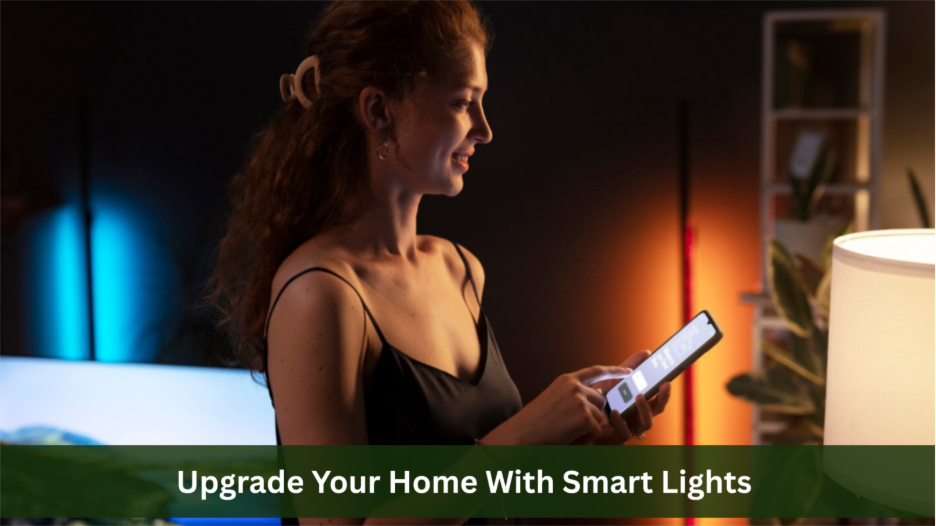
Lighting is a key aspect of modern homes, but most individuals continue to use old-fashioned switches and controls. Entering a dark room, having to change several switches, or forgetting to turn the lights off can easily become annoying.
Moreover, conventional lighting systems tend to consume energy and cannot adapt to daily routines. Fortunately, smart lighting can provide a convenient solution to these problems and make the atmosphere more comfortable and effective.
Lighting with built-in advanced controls and automation can respond to your lifestyle, rather than requiring constant manual adjustments. This strategy enables you to establish the appropriate ambiance, control the energy consumption, and simplify everyday living.
The following section discusses the methods of upgrading to smart lighting and the ways in which this can redefine the way your home functions and feels.
1. Smart Lighting Systems Transform Daily Living

Modern houses are becoming more dependent on built-in technology to ease daily living. An easy upgrade that can be applied entails the installation of smart lights, which interconnect lighting fixtures with the centralized control systems.
These systems are not limited to the use of traditional switches, as you can control lighting by using mobile applications, wall-mounted controls, or voice assistants. For instance, lights in various rooms can be managed without having to walk around the house to turn them on or off.
Moreover, the preset lighting scenes vary the brightness levels according to the activities, such as reading, relaxing, or entertaining guests. This makes lighting easier to control while enhancing comfort and convenience within the house.
2. Personalized Lighting Control for Every Room
Various regions of a house need different levels of lighting, and smart lighting systems make this adjustment simple. Instead of having one brightness setting throughout a house, it is possible to adjust lighting in each room that fits its purpose and use on a daily basis.
For example, kitchens and work areas may require brighter lighting for better visibility and focus. Conversely, bedrooms and living rooms benefit from soft lighting that facilitates a relaxed environment.
Moreover, the programmable keypads or mobile controls enable one to make quick adjustments whenever the need arises. Such flexibility facilitates the appropriate balance of comfort, convenience, and functionality in all parts of the house.
3. Automated Lighting Schedules Improve Efficiency
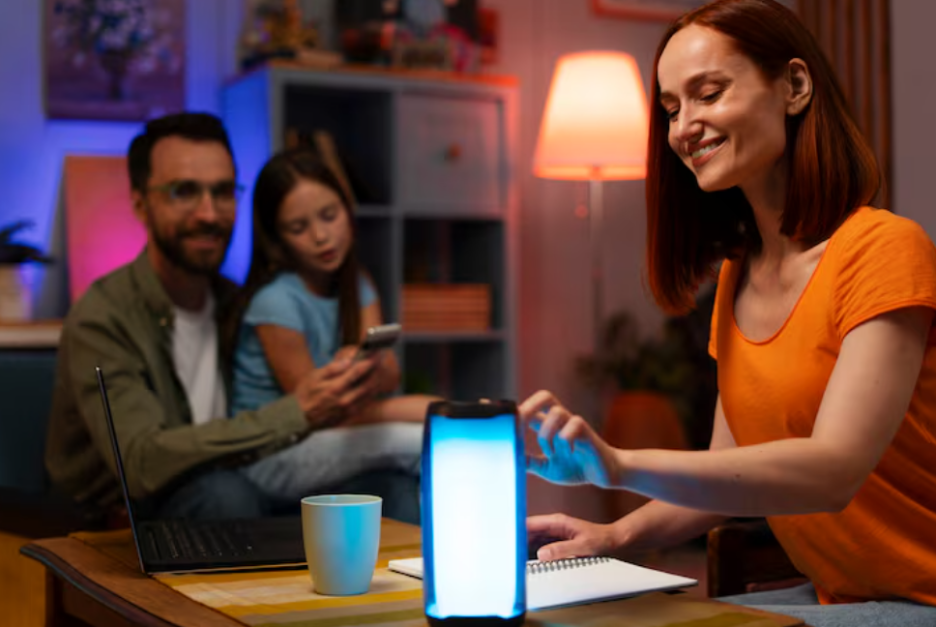
The lighting can be kept on a lot longer than it is required, such as in a household where people walk across rooms all day. Automated lighting schedules are a solution to this problem since they allow the control of lights according to daily routines and preset timings.
Such schedules enable lights to be activated or switched off automatically at the set times, thus lessening the manual modifications. Consequently, the lighting becomes easier to control and further enhances energy saving and maintains an orderly lighting schedule throughout the home.
Moreover, there are motion sensors that turn on the lights when a person enters a room and turn off after they leave the room. This makes energy consumption more regulated and effective.
4. Seamless Integration with Home Technology
Smart lighting is even more effective when it is connected to other technologies within the home. Lighting, instead of operating separately, can coordinate with entertainment systems, climate control, and motorized window shades.
An example of this is starting a movie, which can automatically dim lights while the shades are closed to minimize glare on the screen. Equally, an evening routine can adjust light levels and establish a comfortable indoor temperature.
Since all the systems operate through one connected system, it becomes easier to manage the home in a more organized way. This degree of integration enables various technologies to respond together, thus providing a smooth and convenient living environment.
5. Energy Efficiency Through Intelligent Lighting

One of the most crucial advantages of modern lighting systems is energy efficiency. Smart controls assist in minimizing unnecessary power consumption and still ensuring comfort and visibility.
Dimming features enable lights to run at a low level when full brightness is not required. Even minor adjustments could contribute to a significant decrease in electricity usage in the long term. Also, automated scheduling ensures that lights are off during vacant hours.
The other benefit is the combination of lighting and natural daylight. Lighting in combination with window treatments creates balanced illumination throughout the day. Artificial lighting also decreases the output when the room is filled with sunlight.
Such a coordinated strategy supports environmental responsibility and long-term energy savings.
6. Modern Lighting Design Enhances Interior Spaces
Lighting is one of the key factors in determining the appearance and feel of a home. Smart lighting systems increase the flexibility of the design while maintaining a clean and organized look.
Many systems rely on smooth keypads or touch controls rather than the utilization of numerous wall switches, which do not blend with interior design. These controls ensure that there is less clutter and provide access to highly developed features.
Moreover, color temperature control enables lighting to match different times of the day. Cooler colors may enhance focus in the mornings, and the warmer ones can create a sense of relaxation in the evenings. This minor change contributes to the visual balance in the house.
Conclusion
Upgrading your home with smart lighting creates more than just brighter rooms. It introduces a system that adapts to your routines, improves efficiency, and simplifies daily life. With centralized controls, automated schedules, and personalized settings, lighting becomes an active part of your living environment rather than a basic utility.
In addition, integration with other home technologies allows different systems to work together seamlessly. This coordination improves comfort while reducing unnecessary energy use.
Over time, these small improvements make everyday tasks easier and more consistent. By investing in intelligent lighting solutions, homeowners can create spaces that respond naturally to their lifestyle while maintaining efficiency and modern design.