
 By Admin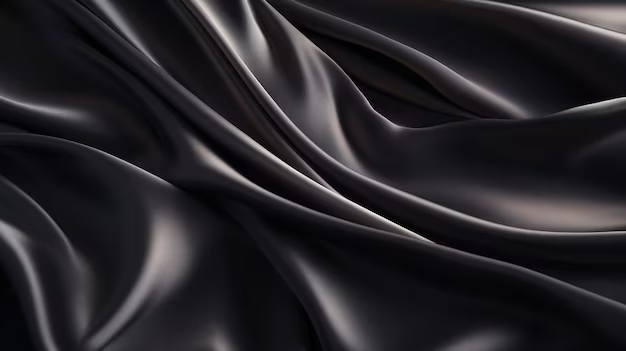
Silk has always carried a quiet aura of intimacy, elegance and storytelling. Long before modern fashion trends, it symbolised affection, refinement and thoughtful gifting. Across different cultures, silk was considered a treasure reserved for meaningful occasions and valuable relationships. Today, despite changing trends and fast fashion, this extraordinary fabric still represents timeless beauty and emotional connection.
Discover what makes silk so captivating — and why this centuries-old fabric continues to define contemporary luxury.
Silk as a language of affection
Silk has historically been exchanged as a gesture of admiration and trust. Its softness and natural sheen made it a material associated with closeness rather than display. Royal courts, artists and travellers admired silk not only for its beauty, but also for the emotions it carried.
Even today, silk accessories feel personal rather than decorative. A scarf, ribbon or nightwear piece becomes a subtle way to express care without exaggeration. Unlike many trendy materials that quickly lose their appeal, silk remains connected to intimacy, elegance and thoughtful living.
Interestingly, silk is also often chosen for milestone moments such as anniversaries, weddings or meaningful celebrations. Its delicate appearance reflects tenderness, while its durability symbolises lasting relationships.
A fibre shaped by patience and tradition
Unlike synthetic textiles, silk is created through a delicate natural process requiring time and craftsmanship. Each thread reflects careful handling from cocoon to finished fabric. This long production journey is one of the reasons silk continues to be associated with exclusivity and artistry.
The history of silk stretches back thousands of years. Ancient trade routes connected continents through the exchange of silk fabrics, helping cultures share fashion, techniques and traditions. For centuries, silk production methods were guarded carefully and treated almost like royal secrets.
If you’re curious about its origins, you may also find this helpful: How is silk made?
Today, despite technological advances, authentic silk manufacturing still requires precision and experience. This combination of nature and craftsmanship is difficult to imitate, which explains why genuine silk continues to stand out from artificial alternatives.
Why silk feels different on the skin
Silk adapts to body temperature, making it comfortable in both cool and warm conditions. Its smooth surface reduces friction, which is especially appreciated by sensitive skin and hair. This is one reason why many people choose silk pillowcases, scarves or sleep accessories as part of their everyday comfort rituals.
Another important advantage is breathability. Silk allows air circulation while remaining pleasantly lightweight, creating a feeling of softness without heaviness. Unlike rough fabrics, it moves naturally with the body and rarely causes discomfort during long wear.
This balance between comfort and refinement explains why silk remains a favourite choice for scarves, sleepwear and accessories worn close to the body. It combines practicality with elegance in a way few other materials can achieve.
Small silk details that transform everyday style
Silk doesn’t need to dominate an outfit to create impact. Often, the smallest elements make the strongest impression. A subtle silk accessory can instantly add depth and sophistication to even the simplest clothing combinations.
Many fashion enthusiasts appreciate silk because it complements different aesthetics — from minimalist wardrobes to classic romantic styling. Its versatility makes it suitable for everyday wear, business settings and evening occasions alike.
Some timeless ways to incorporate silk include:
- a softly draped scarf at the neckline
- a silk hair ribbon for understated polish
- a pocket accent in eveningwear
- a lightweight wrap for travel elegance
These touches introduce effortless sophistication without overwhelming personal style. Instead of following short-lived trends, silk encourages a more refined and intentional approach to fashion.
From heritage courts to modern wardrobes
Once reserved for royalty and ceremonial clothing, silk gradually became accessible to those seeking quality over excess. Historical paintings, literature and fashion archives often portray silk as a symbol of culture, beauty and prestige.
Today it bridges heritage and practicality with surprising ease. Designers continue to reinterpret classic silk pieces in contemporary forms that suit everyday routines as naturally as formal occasions. This ability to evolve without losing character makes silk remarkably timeless.
You might also enjoy exploring styling inspiration here:
https://spadiora.com/en/blog/silk-scarf-styling-by-spadiora-10-ways-to-wear-it-with-flair/
Modern consumers increasingly value fabrics that feel authentic and long-lasting. In that context, silk stands out as a material connected not only to aesthetics, but also to mindful purchasing choices and slower fashion habits.
Choosing silk with intention
Not all silk is created equally. The weave, finishing and dyeing process influence durability, texture and appearance. High-quality silk should feel smooth, light and naturally elegant without appearing overly shiny or artificial.
When choosing silk products, it is worth paying attention to craftsmanship and fabric composition. Carefully designed accessories often maintain their beauty for years, becoming timeless elements of personal style rather than temporary purchases.
Brands that specialise in silk craftsmanship, such as the Spadiora brand, focus on preserving traditional quality while adapting designs to modern lifestyles.
Silk remains one of the few materials that quietly transforms ordinary moments into something memorable — not through extravagance, but through touch, movement and meaning woven into every thread.