
 By Admin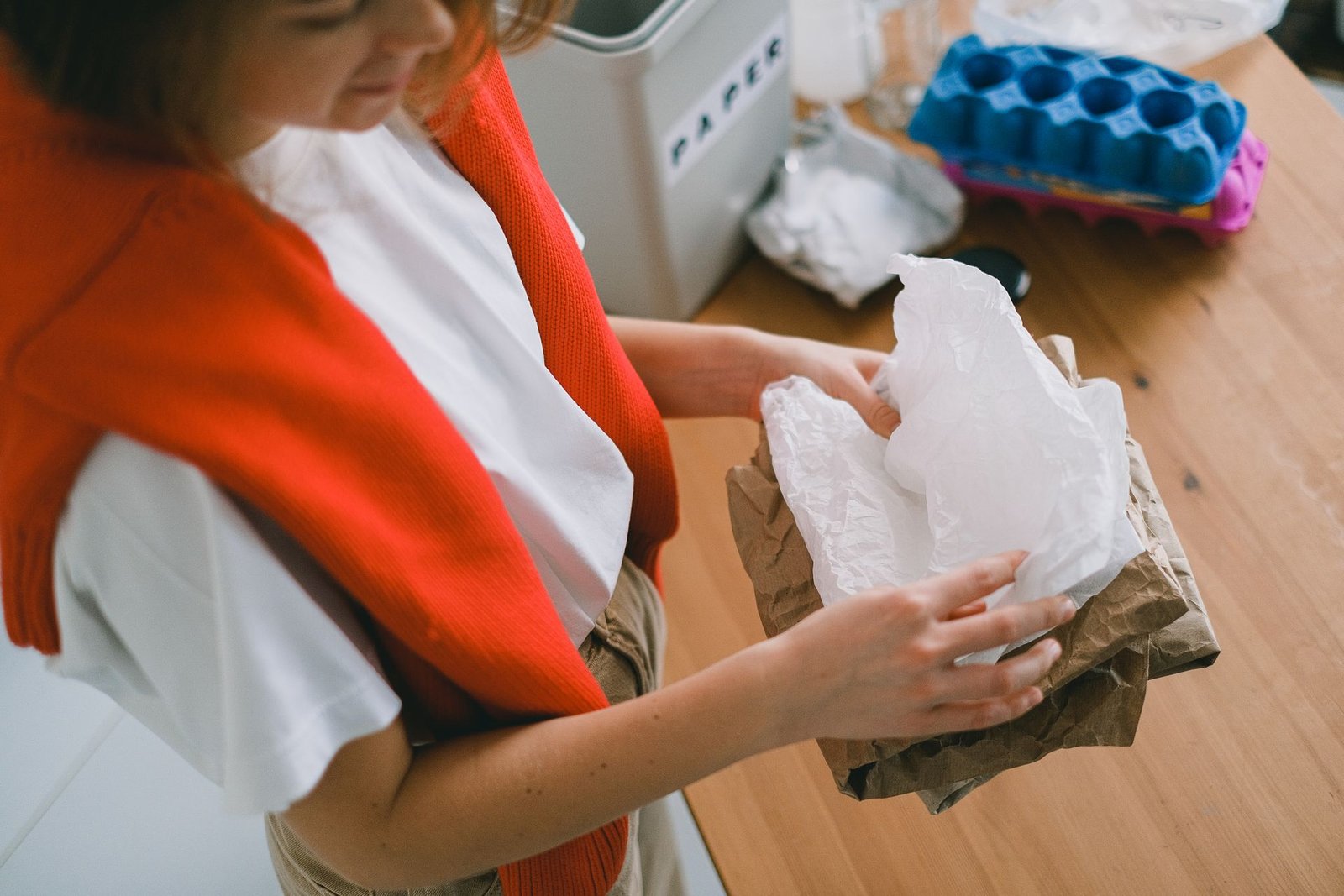
Most households aren’t drowning in waste because people don’t care. Usually, it is the other way around. People are attempting to get through the week while being busy, exhausted, and preoccupied. Convenience wins. There’s a plastic bag here, an unnecessary receipt there, and another partially used bottle that was pushed into a cabinet since no one saw it was already open.
Waste usually occurs in this manner. Through dozens of tiny decisions that are hardly noticeable at the moment, rather than one major one. The good news is that cutting waste functions similarly. Colour-coded containers, a well-organised pantry, or a total lifestyle makeover are not necessary. Without making things more difficult, a few useful adjustments may have an impact.
Less Paper, Less Clutter
Think about how much paper enters the average home every month. Bills, flyers, promotional letters, catalogues, and appointment reminders. Most of it has a very short life expectancy. A quick glance. Maybe a second glance. Then straight into recycling.
Switching account statements to paperless statements removes a lot of that clutter before it even arrives. It also eliminates the strange habit of keeping documents “somewhere safe” and then forgetting where that safe place actually is.
The Receipt Nobody Asked For
Receipts seem to appear automatically, whether they’re needed or not. Some stay in pockets until the next wash. Others live permanently at the bottom of handbags. A few make it home and sit on a side table for weeks.
Digital receipts solve a problem that quietly exists in almost every household. Less paper ends up floating around, and finding proof of purchase becomes much easier when it isn’t hidden inside a coat worn three months ago.
Water Waste Is Easy to Miss
No one notices an excess of water the way they notice the accumulation of trash. That is part of the issue. A slow dripping tap doesn’t seem like much of a problem. Neither does using more water than is necessary for cleaning or dishwashing. Yet over time those small amounts add up.
Simple additions such as faucet aerators don’t get much attention because they’re not particularly common. They just quietly do their job in the background while reducing water use day after day.
Not Every Smart Device Is Pointless
Some gadgets genuinely seem designed to solve problems nobody has. Smart thermostats aren’t usually in that category. Many homes spend money heating rooms that aren’t being used or maintaining temperatures that nobody notices. Smart thermostats reduce some of that waste automatically. Once installed, they require very little attention.
Sometimes the most useful technology is the kind that’s barely noticed after a month.
Paper Towel Roll Waste
Paper towels disappear at an impressive speed. One sheet for a spill. Another for a splash near the sink. A few more for cleaning surfaces. Before long, another roll needs replacing.
Microfiber cloths are long-lasting, useful, and don’t require daily replacement. After switching to reusable towels, many homes find themselves questioning why they used disposable tissues so frequently in the first place.
Refill Packs Deserve More Credit
Supermarkets are slowly giving shoppers more refill options, and that’s probably long overdue. Buying a completely new plastic bottle every time hand soap or cleaning spray runs out never made much sense. Refill packs allow the original container to stay in use while reducing the amount of packaging heading towards the bin.
The Fridge Is Usually the Real Culprit
Food waste often starts with good intentions. Fresh vegetables bought for meals that never happened. Salad purchased for a healthy week that turned into takeaway nights. Leftovers saved for tomorrow and forgotten until next weekend. It occurs in nearly every home.
Composting can reduce food leftovers from ending up in a landfill, but it won’t completely prevent food waste. Fruit peels, coffee grinds, tea bags, and vegetable peelings may all be used more effectively.
Recycling Has Its Limits
Recycling is extremely important, but it doesn’t give you permission to purchase needless items. In actuality, the item that never needed to be replaced in the first place is frequently the least wasteful. Purchasing higher-quality products, fixing things when they can, and avoiding pointless purchases typically have a greater effect than individuals think.
Professional services like waste disposal Cambridge can help guarantee that things are handled correctly rather than ending up in the incorrect location for larger tasks like home clearances, remodelling projects, or big decluttering projects.
Conclusion
The biggest mistake people make with sustainability is assuming it has to be perfect. It doesn’t. Nobody gets everything right. Nobody avoids waste completely. That’s not the goal. What usually works are the boring changes. The reusable bag that’s always in the car. The digital receipt instead of the printed one. The refill pouch picked up during a weekly shop. The food scraps that get composted instead of thrown away.
All of these waste reducing habits are easy enough to keep doing long after the motivation fades.